




Shopify
Shopify Canvas is Live: What It Can Handle and What It Cannot
Nikki Kumari|Oct 6, 2026|Read 8 Min



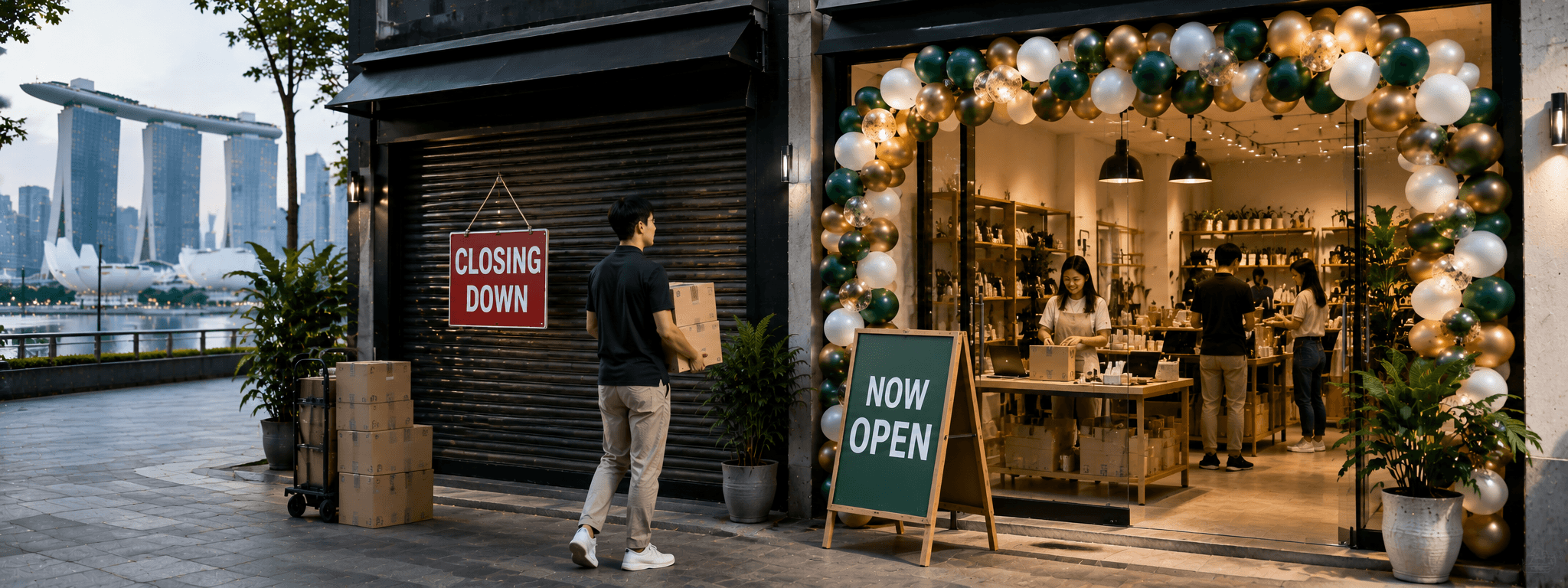
Amazon in Singapore shut down its local marketplace on July 7, 2026. Amazon Fresh, third-party seller listings, Fulfillment by Amazon, and Amazon Ads on Amazon.sg are all gone. For the thousands of Singapore brands and sellers who built their eCommerce presence on the platform, the closure came with 60 days' notice and no guarantee of what comes next.
Amazon.sg is still live, allowing customers to shop and browse millions of international products from Amazon's US, Japan, and Germany stores and enjoy Prime benefits. However, the local commerce infrastructure that Singapore brands and sellers depended on no longer exists.
The blog covers exactly what changed, what it means for brands that sold through Amazon Singapore, and what the most practical next steps look like for businesses now evaluating their options.
The Amazon marketplace closure was not abrupt. Amazon announced the wind-down on May 7, 2026, giving sellers a structured 60-day transition period.
Here is exactly what changed and when:
Is there Amazon in Singapore after July 2026? Yes, but only as a cross-border shopping destination for consumers, not a selling platform for local brands. Is Amazon available in Singapore for local sellers? No, local brands can no longer list, advertise, or fulfill orders through Amazon.sg. Singapore brands wanting to continue selling on Amazon are directed to Amazon Global Selling, which opens access to marketplaces in the US, Europe, Japan, and the Middle East.
Amazon did not leave Singapore quietly. It left after a decade of competing in one of the world's most contested eCommerce markets and finishing with an estimated 6% market share.
Understanding why helps brands make smarter decisions about where they invest next.
Southeast Asia is not a single market, but a collection of markets with different languages, payment preferences, logistics networks, and consumer behaviors. Winning here requires deep localization like Shopee and Lazada, not the adaptation of a global model. Shopee's annual GMV grew from $1.6 billion in 2017 to $127.4 billion during the same period Amazon operated in Singapore. TikTok Shop is now committing tens of billions to the region, investing in local infrastructure, creator commerce, and payment ecosystems built for Southeast Asian consumers.
Amazon's strength has always been its global infrastructure. In Singapore, that global model met a market that rewards local depth over global scale. Operating fulfillment centers, local inventory, advertising systems, and grocery logistics in a market where cross-border commerce offered stronger returns simply did not make commercial sense.
The closure does not reflect Singapore's eCommerce potential. It is a reflection of how competitive and localization-dependent that potential is.
For consumers, the closure of the Amazon Singapore marketplace changes very little. Shopping continues, Prime benefits continue, and international products arrive in days. For brands and sellers, the impact is fundamentally different.
The following three commercial consequences define what this closure actually means:
Every buyer of a Singapore brand acquired through the Amazon marketplace was Amazon's customer, not the brand's. These brands had no access to email addresses, purchase history, or the ability to retarget, remarket, or build loyalty outside the platform. When the Amazon Singapore marketplace closed, those customer relationships closed with it. Brands have no way to reach those buyers directly unless they independently build their own customer database through other channels.
Amazon's search algorithm, Sponsored Ads, product recommendations, and A+ content drove discoverability for Singapore sellers. Such an entire ecosystem is now unavailable for local brands. Businesses that invested time and budget into optimizing their Amazon presence, building reviews, and running ad campaigns on Amazon.sg start from zero on that platform. The rankings, the reviews, the ad history, none of it transfers.
Amazon held just 6% market share in Singapore despite years of operation, while Shopee's annual GMV grew from $1.6 billion in 2017 to $127.4 billion over the same period. TikTok Shop is now spending tens of billions across Southeast Asia. The competitive reality in Singapore for Amazon was already difficult. However, it was different for brands that concentrated their eCommerce strategy on a single marketplace, and the closure is a direct commercial disruption regardless of Amazon's market position.
This is the core risk of building a business on a single marketplace. When that platform changes its policies, raises fees, or exits a market entirely, brands have no fallback. The Amazon Singapore marketplace closure is the clearest example of that risk playing out in Southeast Asia, and it is a reminder that no marketplace, regardless of its size or reputation, is a permanent sales channel.
The Amazon Singapore marketplace closure does not mean the end of eCommerce for affected brands. It means the beginning of a more resilient commerce strategy.
Here are the four priorities that matter most right now:
The first step is understanding what customer data the brand already owns independently of Amazon. Email lists, social media followers, past buyers reached through other channels, and CRM records are the foundation of what comes next. Whatever first-party data exists should be consolidated, cleaned, and activated immediately.
The lesson from Amazon's exit is not to avoid marketplaces entirely. Shopee, Lazada, and TikTok Shop all operate in Singapore with strong local infrastructure and deep consumer adoption. The lesson is to avoid relying exclusively on any single one.
The most commercially significant step a Singapore brand can take following the closure of the Amazon Singapore marketplace. An owned storefront means the brand controls the customer relationship, data, experience, and revenue channel entirely. No platform can take that away. Shopify gives Singapore brands a fast, scalable path to an owned eCommerce presence that integrates natively with Shopee, TikTok Shop, and social commerce channels simultaneously, making it a complement to marketplace selling rather than a replacement.
For brands evaluating their options, Codilar's shopify store development services cover everything from initial store build to full omnichannel integration.
Amazon's decision to refocus Amazon.sg on international products rather than local sellers signals where it sees sustainable commerce economics in Singapore. For brands with products that have genuine cross-border appeal, the shift is an opportunity rather than a setback. Shopify's built-in multi-currency, multi-language, and international market tools make cross-border selling accessible from a single storefront, removing the operational complexity.
For Singapore brands, evaluating their next commerce move requires building an owned eCommerce store, and the execution is where the work actually begins.
Building on Shopify means more than launching a storefront. It means integrating with existing marketplace channels like Shopee and TikTok Shop, setting up local payment methods, configuring cross-border capabilities, and ensuring the store performs at the level Singapore consumers expect. For brands migrating from a marketplace-first model, getting that foundation right from the start determines whether the owned channel becomes a genuine revenue driver or an underperforming side project.
Codilar, a Shopify Plus Partner, has helped brands across Southeast Asia to make the transition. From store architecture and design to marketplace connectivity and post-launch optimization, the focus is on building commerce infrastructure that the brand owns, controls, and grows on its own terms.
The Amazon Singapore marketplace closure is a disruption. For brands that move decisively, it is also the clearest commercial opportunity the Singapore eCommerce market has seen in years.
The Amazon Singapore marketplace closure is more than the end of a local selling platform. It is an opportunity for brands to rethink how they build and scale digital commerce. While Amazon in Singapore continues as an international shopping destination, businesses now have an opportunity to reduce marketplace dependency by investing in owned commerce and diversifying their sales channels.
As a Shopify Plus Partner, Codilar Technologies supports brands make that transition with scalable commerce solutions designed for long-term growth. For Singapore retailers, the real opportunity isn't replacing one marketplace with another, but building a commerce strategy they own and control.
Yes, Amazon.sg continues operating as an international shopping destination where Singapore customers can purchase millions of products from Amazon's US, Japan, and Germany stores with Prime benefits and fast delivery. However, local brands and third-party sellers can no longer list or sell products through the platform.
No, the Amazon Singapore marketplace for local sellers officially closed on July 7, 2026. Sellers who want to continue selling through Amazon are directed to Amazon Global Selling, which provides access to Amazon marketplaces across the US, Europe, Japan, and the Middle East.
Amazon Fresh, including grocery partnerships with Little Farms and Watsons, discontinued operations on July 7, 2026. Grocery shopping through Amazon.sg is no longer available.
Singapore brands have strong marketplace alternatives, including Shopee, Lazada, and TikTok Shop, while also investing in an owned eCommerce store using platforms like Shopify.
The closure of the Amazon Singapore marketplace strongly justifies building your own eCommerce store. An owned storefront gives brands full control over customer data, pricing, branding, and the buying experience. It also removes the single-channel dependency that Amazon's closure had just made visible to every marketplace-first brand in Singapore.

Get tailored technology solutions to scale your retail business online
Request A Quote

Stay ahead with insights, trends, and brand success stories from the world of Digital Commerce.


