





Performance Optimization
Shopify Plus Scripts vs Shopify Functions: Key Differences
Mohammad Aamir|Oct 22, 2025|Read 14 Min


It’s the era of digital transformation; businesses are constantly looking for ways to better understand and engage with their customers. With an abundance of customer data available, employing the right tools to analyze and leverage this information is important. Two of the most debated software solutions are Customer Relationship Management (CRM) and Customer Data Platforms (CDP).
While both CRM and CDP handle customer data, they serve two distinct roles in business. To understand them better, let’s take a closer look at each.
To know more about the differences between the two, let’s learn about each of them-
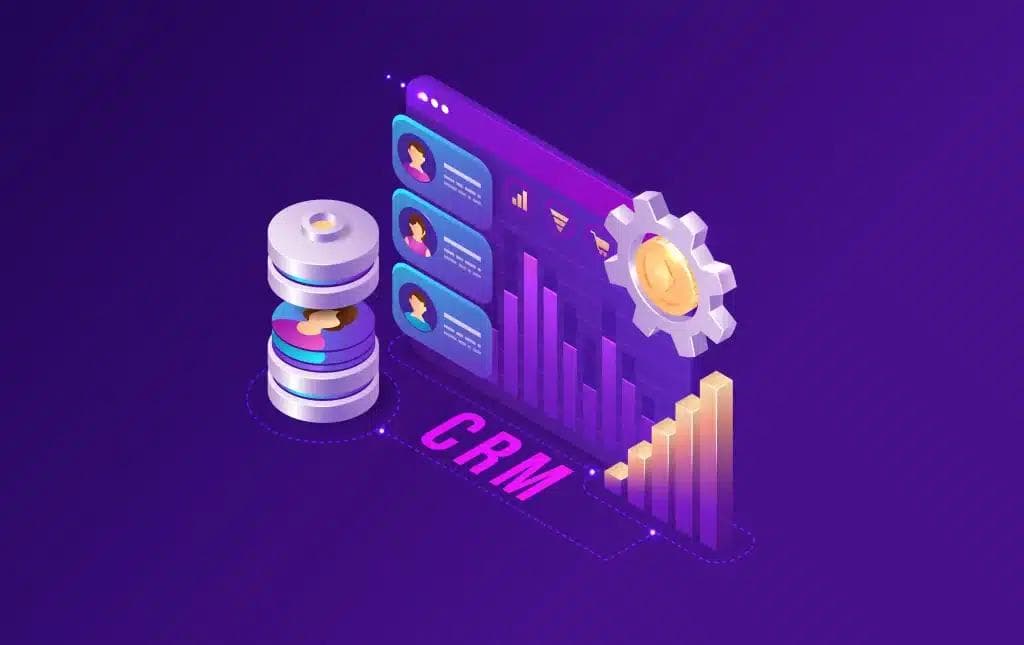
As the name suggests, Customer Relationship Management (CRM) tool is often designed to help businesses manage and analyze their customer interactions throughout the customer lifecycle. CRM’s primarily focuses on sales, customer service, and relationship building.
A CRM acts as a centralized platform that stores all customer information in one place, including names, email addresses, phone numbers, past interactions etc. This system enables businesses to keep track of their leads, manage relationships and create personalized experiences for the customers.
Use Case: A B2B SaaS company uses CRM to categorize leads based on their engagement levels, helping the sales team to prioritize follow-ups with potential leads.
CRMs offer a visual overview of the sales process, allowing the sales team to manage opportunities at each stage. This feature also enables quick identification of bottlenecks leading to accurate sales forecasts and a more efficient sales process.
Use Case: By utilizing a CRM, a real estate agency can effectively manage their buyers lifecycle, tracking potential clients through each stage, from initial property inquiries, through to successful sales and contract closures.
A CRM records all customer interactions, including emails, calls, past purchases etc. This ensures that the team has a complete outlook on the customer, leading to customized interactions.
Use Case: By leveraging CRM data, a luxury car dealership can provide tailored communications, like service reminders and exclusive event interactions, based on past customer interactions.
CRM systems can streamline workflows by automating follow-ups and reminders, ensuring consistent customer communication.
Use Case: By setting automated reminders in their CRM, financial advisors can reliably conduct annual client reviews and renewal discussions.
By incorporating customer service features, CRMs enable businesses to effectively manage support tickets, monitor issue resolution progress and further ensure prompt customer communication.
Use Case: Because CRMs include customer service tools for ticket management, an eCommerce brand integrates its support team to categorize complaints, track resolutions, and escalate urgent issues
CRMs provide valuable data analytics, allowing businesses to understand sales trends, customer behavior, and team performance, enabling data-backed decision making.
Use Case: Software companies utilize CRM reports to analyze and identify the most effective marketing campaigns and optimize their lead generation methods.
The market offers a number of CRMs, including prominent solutions such as ZOHO CRM, HubSpot CRM, Salesforce Essentials, Microsoft Dynamics, etc. Businesses looking to maximize the potential of Microsoft’s platform often turn to Microsoft Dynamics CRM consulting for tailored solutions and expert guidance.
A Customer Data Platform is a software solution that collects, integrates, and unifies customer data from various sources to create comprehensive customer profiles. Unlike CRM’s which manage direct customer interactions, CDPs unify behavior, transactional, demographic data to provide a consolidated customer view.
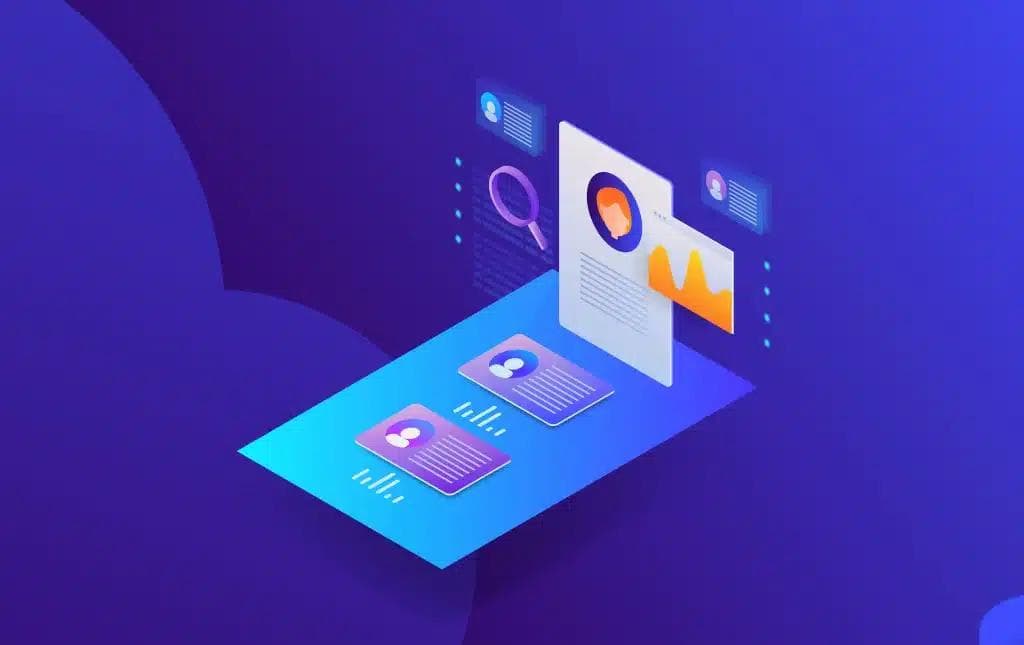
CDPs excel at consolidating customer data from various sources into a unified view. This includes data from websites, mobile apps, social media interactions, and offline activities. This creates a single customer view, eliminating data silos across departments.
Example: A retail brand integrates customer in-store details with online browsing behavior such as website and mobile app data. This allows them to see that the customer browsed online and made an in-store purchase. A CDP syncs this information, ensuring that customers don’t receive online ads for the same product, rather suggestions for complementary items. Therefore, data integration leads to a holistic view of customer behavior and promotes personalization.
CDP enables businesses to segment audiences dynamically based on their real-time behavior and interactions. It implies that these profiles are continuously updated, allowing hyper-targeted marketing.
Example: A streaming service categorizes user segments based on viewing history and preferences. This enables personalized recommendations and promotions.
CDPs use machine learning and AI to analyze customer behavior. This includes customer churn value, product preferences etc. These insights enable proactive marketing and active customer engagement.
Example: A subscription based software company uses a CDP to identify customers who are likely to churn. By identifying at-risk customers, they can proactively reach out and with personalized offers to retain them.
By leveraging CDPs, businesses can gain deep insights into customer behavior, personalize marketing campaigns, and improve customer experience across multiple channels.
Now that we’ve outlined their features, let’s explore the key differences between CRM and CDP.
AI is becoming a bigger part of both tools. In CRMs, AI increasingly handles tasks like summarizing customer interactions, recommending next actions for sales reps, and automating follow-up workflows, reducing manual admin work for support and sales teams. In CDPs, AI already powers predictive analytics and churn prediction, and its role is expanding into real-time personalization and orchestration across channels.
When choosing between a CRM and a CDP, the right solution depends on your business specific needs, goals, and existing systems. As already discussed, both tools serve different purposes in managing customer data and improving customer experiences.
If your primary goal is to manage sales pipelines and customer service, while building strong customer relations, then a CRM is the right tool for you. CRM’s are most beneficial for teams that interact with customers firsthand and close sales.
If providing excellent customer support is your priority, CRM offers tools for managing support tickets and maintaining a history of customer issues.
CDP’s are best suited for businesses that focus on personalized marketing, customer segmentation, and leveraging customer insights across different channels.
CDP offers predictive analytics that forecast customer behavior empowering businesses to improve their marketing strategies.
Small to mid sized business: if you are a small business or company just starting to implement customer relationship strategies, a CRM is the better choice. It helps track customer interactions, manage leads and develop impactful relationships, which is crucial for businesses with a growing customer base.
Larger Enterprises or Data Drive businesses: For large organizations such as eCommerce, retail, and media companies, where understanding the customer behavior across various touchpoints is quintessential, a CDP is a more apt option. CDPs focus on customer segmentation, targeted marketing, and detailed analysis, allowing businesses to create personalized experience at scale.
For many growing businesses, the two work best together. A common setup connects CDP behavioral data, what a customer browsed, clicked, or abandoned, to CRM contact records, so sales and support see that history alongside the conversation log. Reps get better timing and more relevant messaging, without pulling in a data analyst to piece it together.
CRM and CDP aren't competing for the same job, one manages relationships, the other unifies behavior across every channel a customer touches. Most businesses don't have to choose permanently; they start with whichever solves today's problem and add the other as data complexity grows.
Not sure whether your business needs a CRM, a CDP, or both? Codilar's team can help you map out the right data strategy.
Yes! Businesses can use both CRMs and CDPs to boost their customer data strategy. While CRM manages customer interactions, CDPs unifies and enriches customer data.
No, CDPs cannot replace CRMs. A CRM is sales-focused, managing customer interaction and transaction history. A CDP is data-driven and offers advanced segmentation and insights.
CRMs update periodically, often requiring manual input from the team, while CDPs update and process data in real-time.
Not necessarily. Most modern CDPs come with built-in segmentation and dashboards that marketing teams can use directly. A data analyst becomes more valuable for custom predictive models or complex cross-channel attribution, but day-to-day segmentation and campaign targeting are usually accessible without one.
For most teams, easier. AI now handles tasks like summarizing customer interactions in a CRM or predicting churn in a CDP, work that used to require manual review or a dedicated analyst, so the tools do more of the heavy lifting on their own.

Get tailored technology solutions to scale your retail business online
Request A Quote
Stay ahead with insights, trends, and brand success stories from the world of Digital Commerce.


DTECH, Techno Hub 1, Dubai Silicon Oasis Authority, United Arab Emirates - Dubai - United Arab Emirates

Level 1, Building 7, Zone A Airport road, Business Gate P.O Box 93597 Riyadh 11683, KSA.


Codilar Digital Pte Ltd, 68 Circular Road, #02-01, 049422, Singapore

7th Floor, Jupiter Block Prestige Tech Park, Kadubeesanahalli, Bellandur Amtankere, Bengaluru, Karnataka 560103

Satrio Tower, Floor 6, Unit C and D, Desa/Kelurahan Kuningan Timur, Kec. Setiabudi, Kota Adm. Jakarta Selatan, Provinsi DKI Jakarta